Poolsurround decks on pedestals: Managing drainage, finishes, and utility access with Buzon

In a pool project, the deck is more than just an aesthetic finishing touch. It must meet requirements related to usage, water flow, equipment integration, and maintenance. Whether the pool is in-ground or above-ground, Buzon pedestals enable architects, landscape architects, and installation contractors to design attractive pool surrounds while taking into account the site’s technical requirements.
Planning water management from the design stage

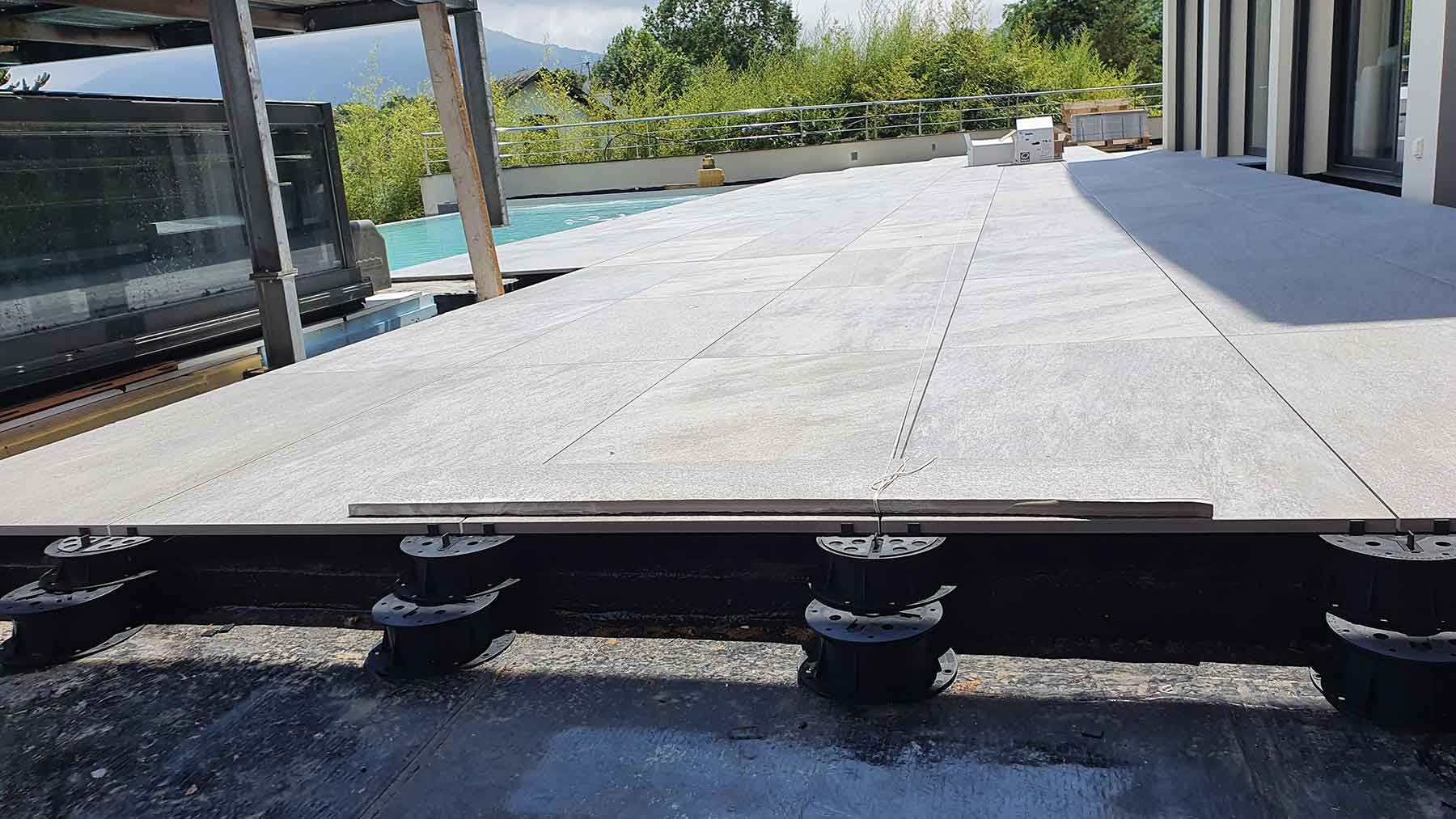
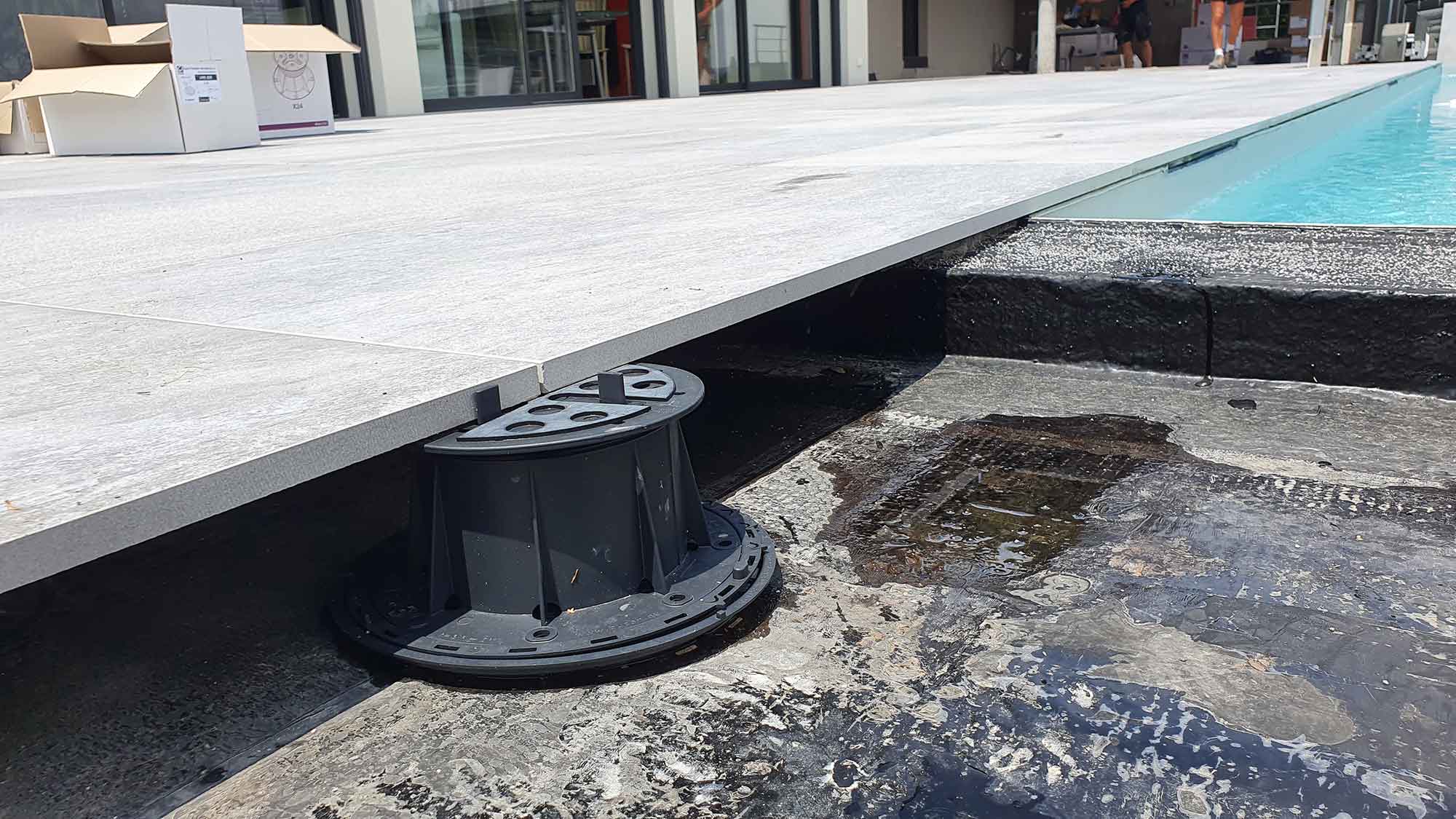
Around a swimming pool, splashed water adds to rainfall. Pedestal installation allows for open joints between the slabs, so that water can reach the substrate and the drainage provisions beneath the surface finish.

For professionals, the challenge is to plan the entire path of the water: substrate slope, location of drainage outlets, treatment of low points and access for maintenance. Open joints help limit water accumulation on the surface, but they are no substitute for properly sized drainage or a surface finish suitable for barefoot use in a wet environment.

Finishing above-ground pools without overlooking the junctions

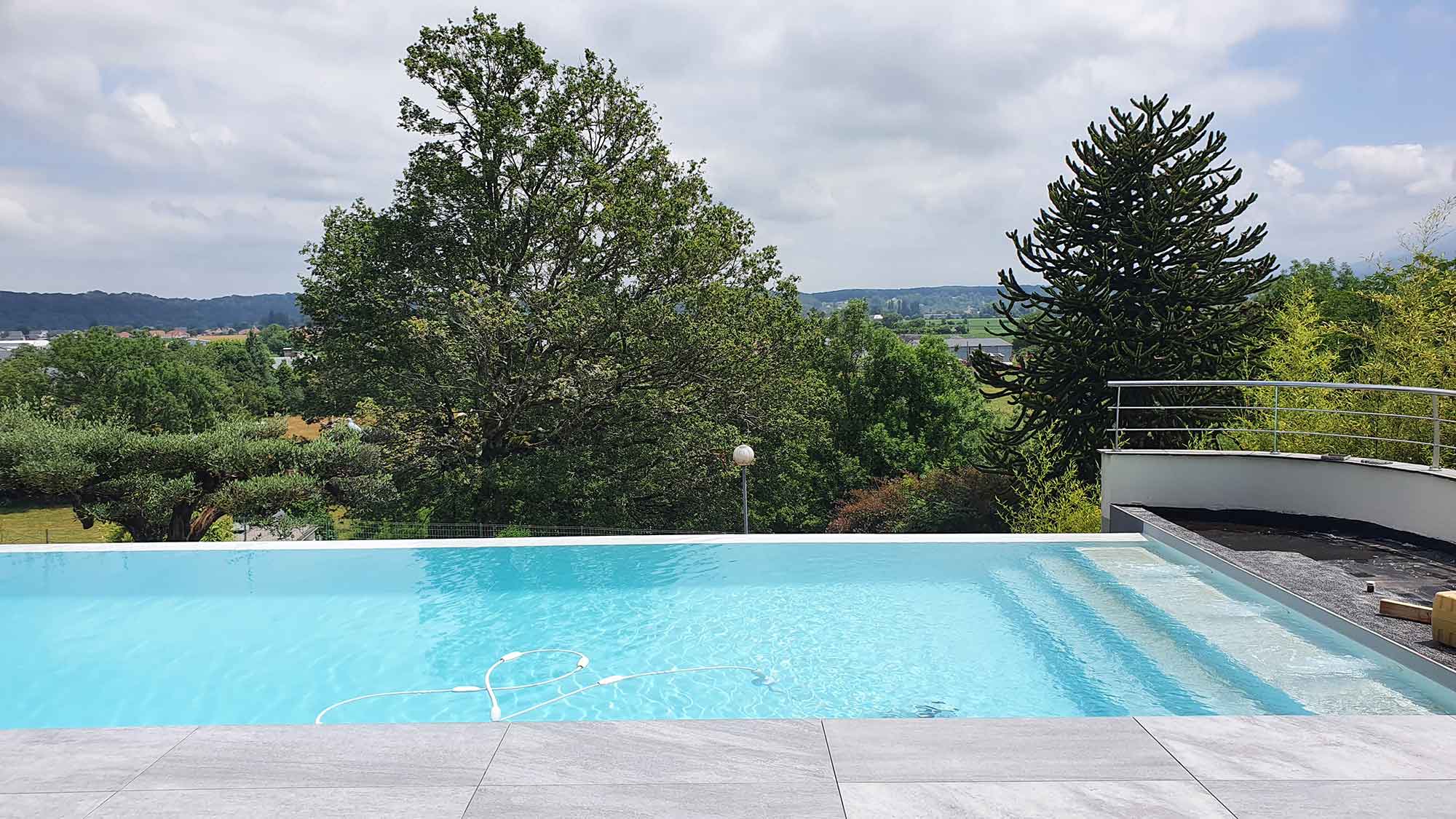
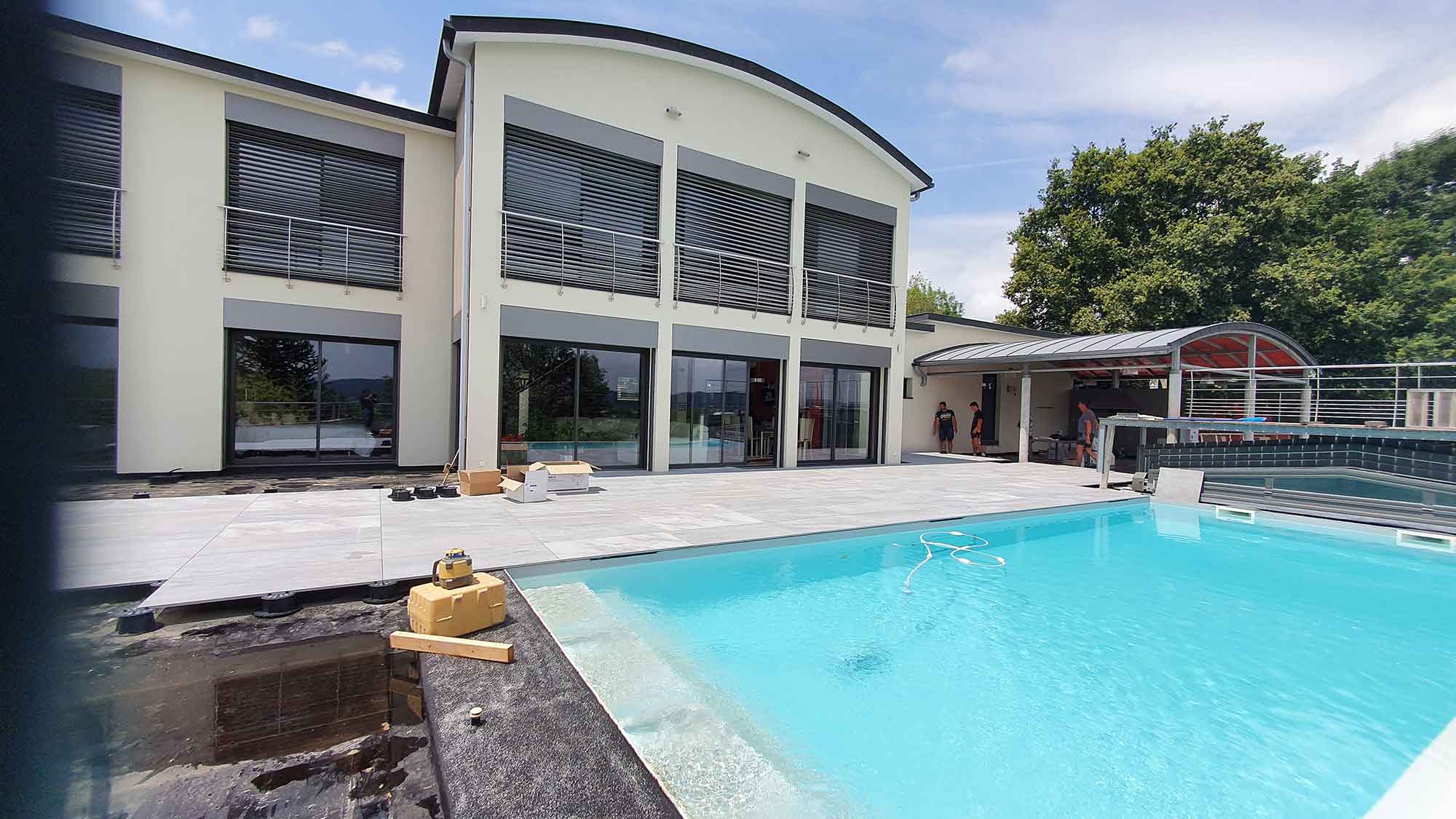
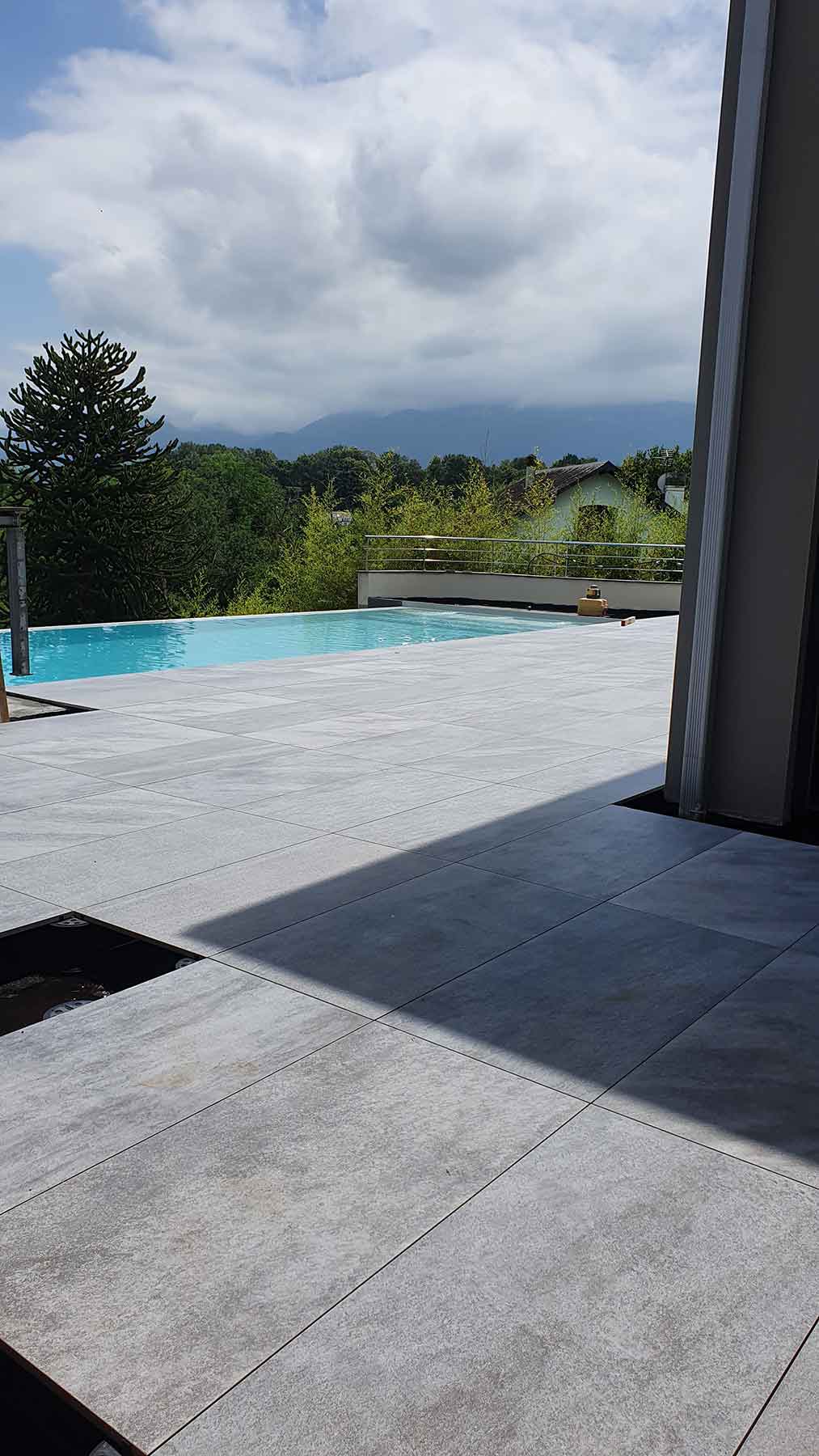
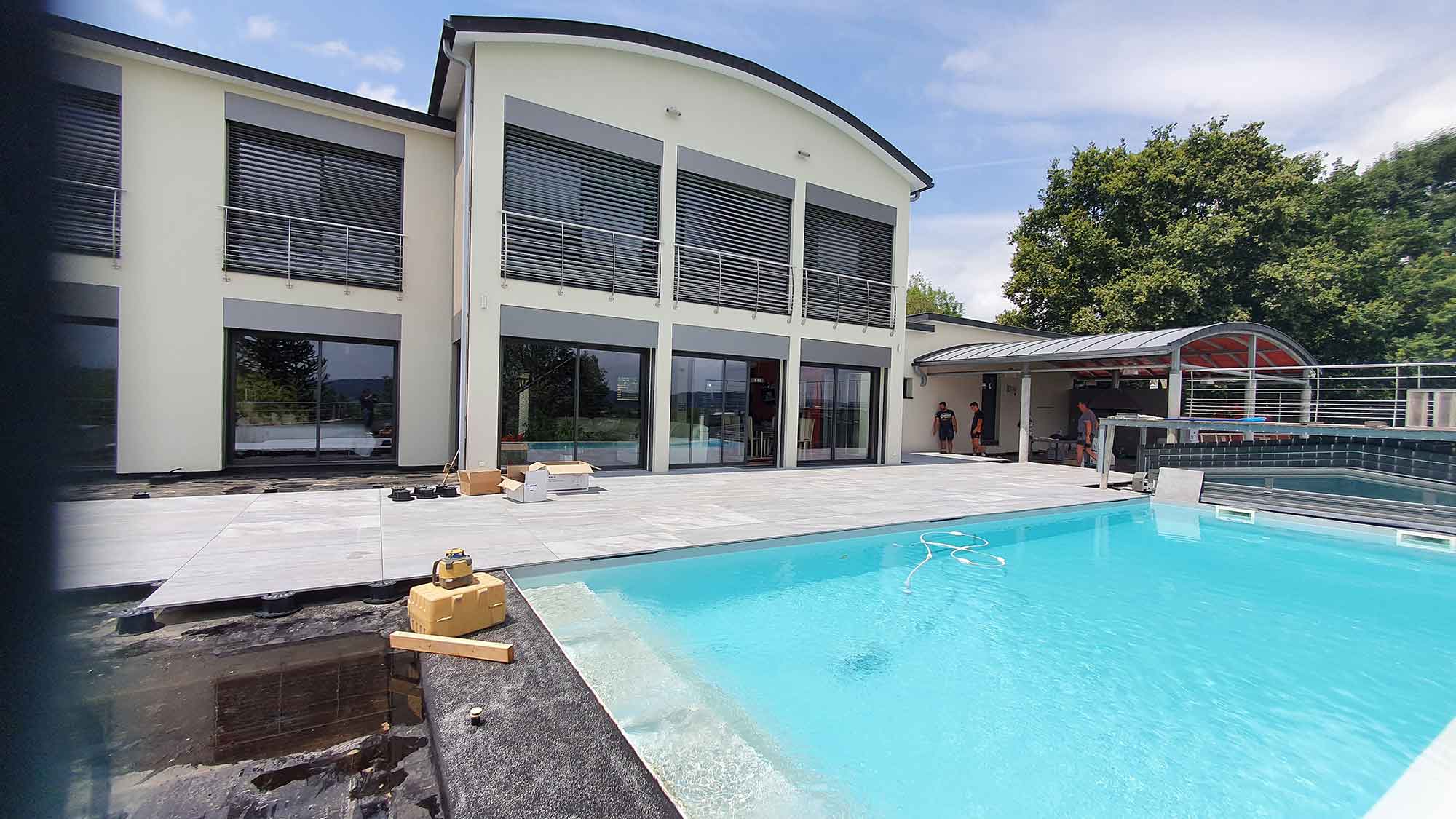
Integrating an above-ground pool often presents a design challenge: how can the pool be connected to the outdoor space while managing level differences and perimeter finishes? Buzon adjustable pedestals make it possible to create a terrace at the desired height and establish visual continuity between the pool, circulation areas and relaxation spaces.

The quality of the result nevertheless depends on how the junctions are treated. Edges, corners, access to equipment and any inspection hatches must be anticipated in the layout plan. This preparation makes it possible to achieve a consistent finish without compromising the operation or maintenance of the pool.
Integrating a hot tub into a cohesive design

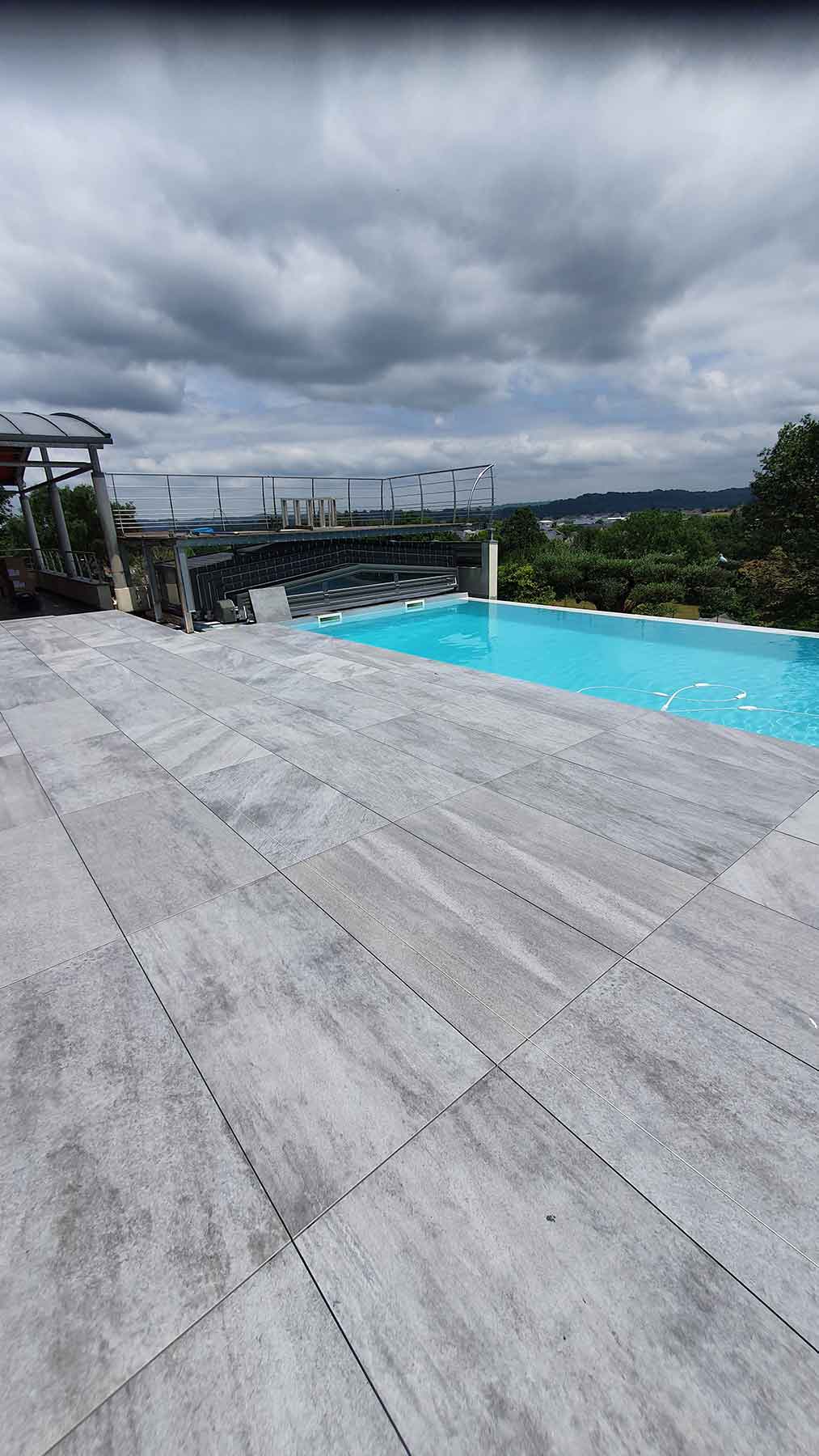
When a hot tub is part of the project, a pedestal terrace can be used to finish the surrounding area and coordinate levels and materials with the rest of the design. The surface finish creates visual continuity while preserving the access needed to maintain the equipment.

The hot tub’s supporting structure must, however, be assessed separately. The weight of the equipment when filled with water, plus its occupants, must not be transferred to the terrace pedestals without checking the capacity of the system and the substrate. An independent base may be required, depending on the configuration and the hot tub manufacturer’s instructions.

Concealing technical elements while keeping them accessible

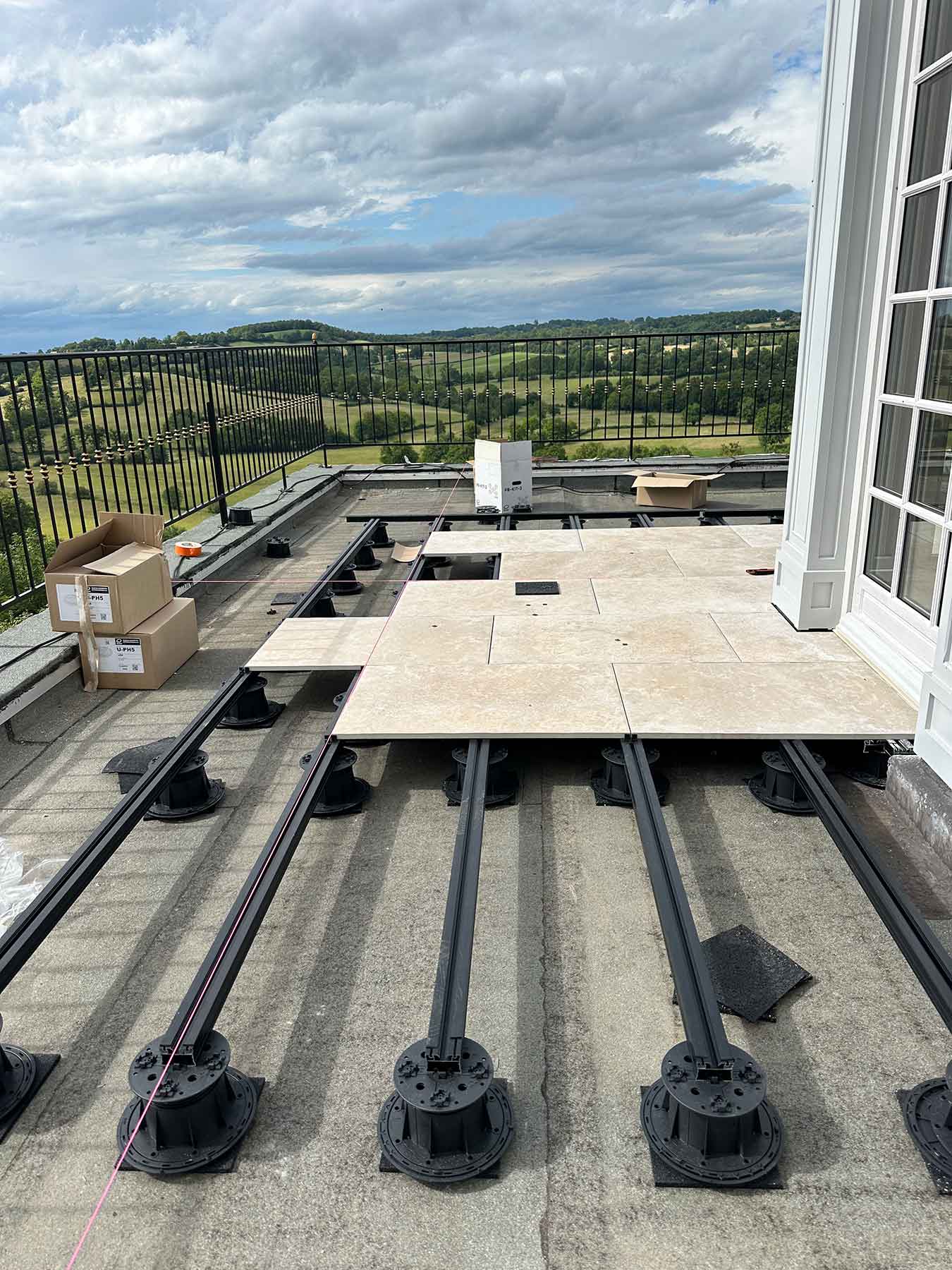
Pipes, lighting cables and other equipment can complicate the finishing of pool surrounds. The space beneath a pedestal terrace allows certain services to be concealed while retaining the possibility of accessing specific areas for maintenance.

This benefit depends on planning access from the design stage. Components that require regular inspection or intervention, particularly those related to filtration or lighting, must remain accessible. The choice of removable slabs, the location of inspection hatches and the routing of services must therefore be coordinated with the project’s technical contractors.

Protecting exposed areas with the U-SBS adhesive underlay

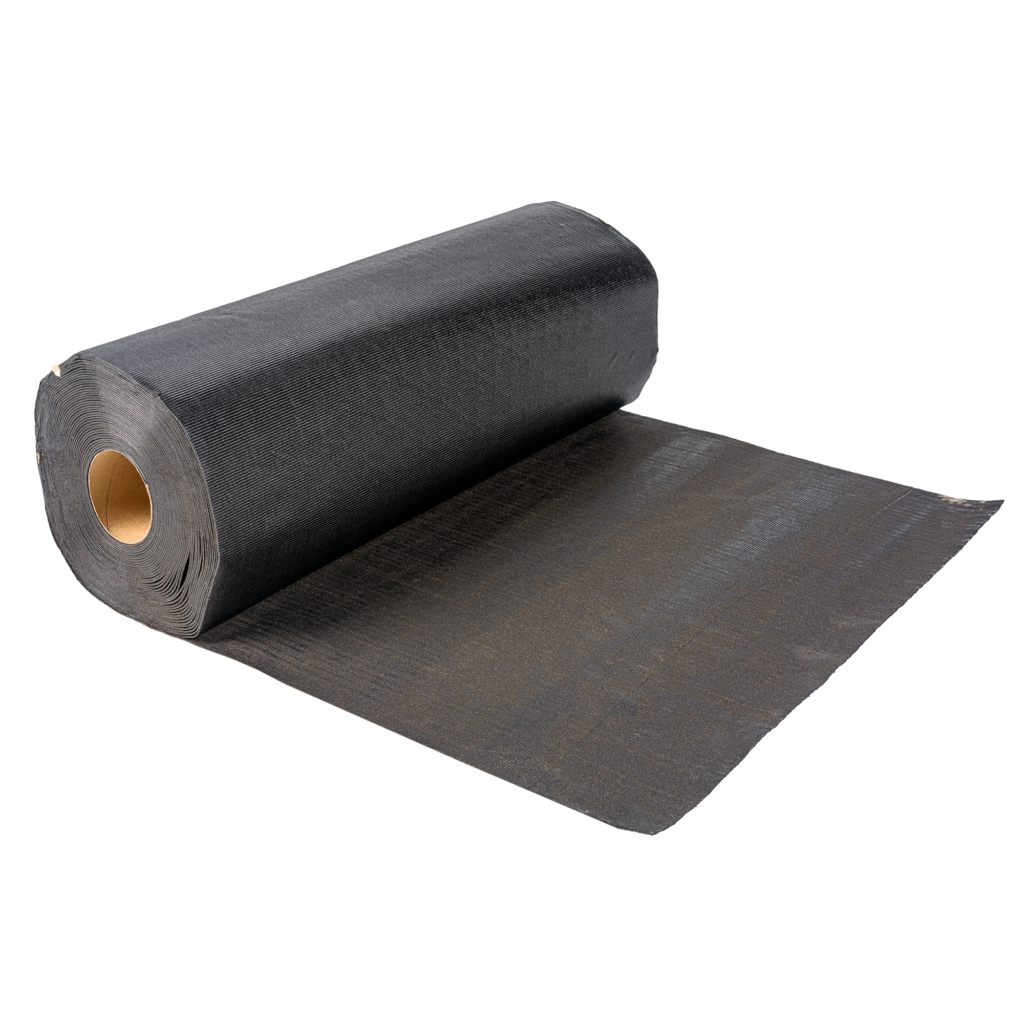
In 2025, Buzon announced the U-SBS protective adhesive underlay, intended in particular for slabs located near a pool cover winding system. In these areas, contact with equipment and the demands of use warrant particular attention when specifying accessories.

For installation contractors and specifiers, the aim is to incorporate this protection into the installation detail rather than address the area after a problem occurs. Its compatibility with the chosen slabs, substrate and pool cover system must be checked against the product’s technical documentation.

Installation advice based on best practices

A successful pedestal terrace around a pool depends on coordination between groundworks, the pool, services and the surface finish. Several points must be checked before and during installation:

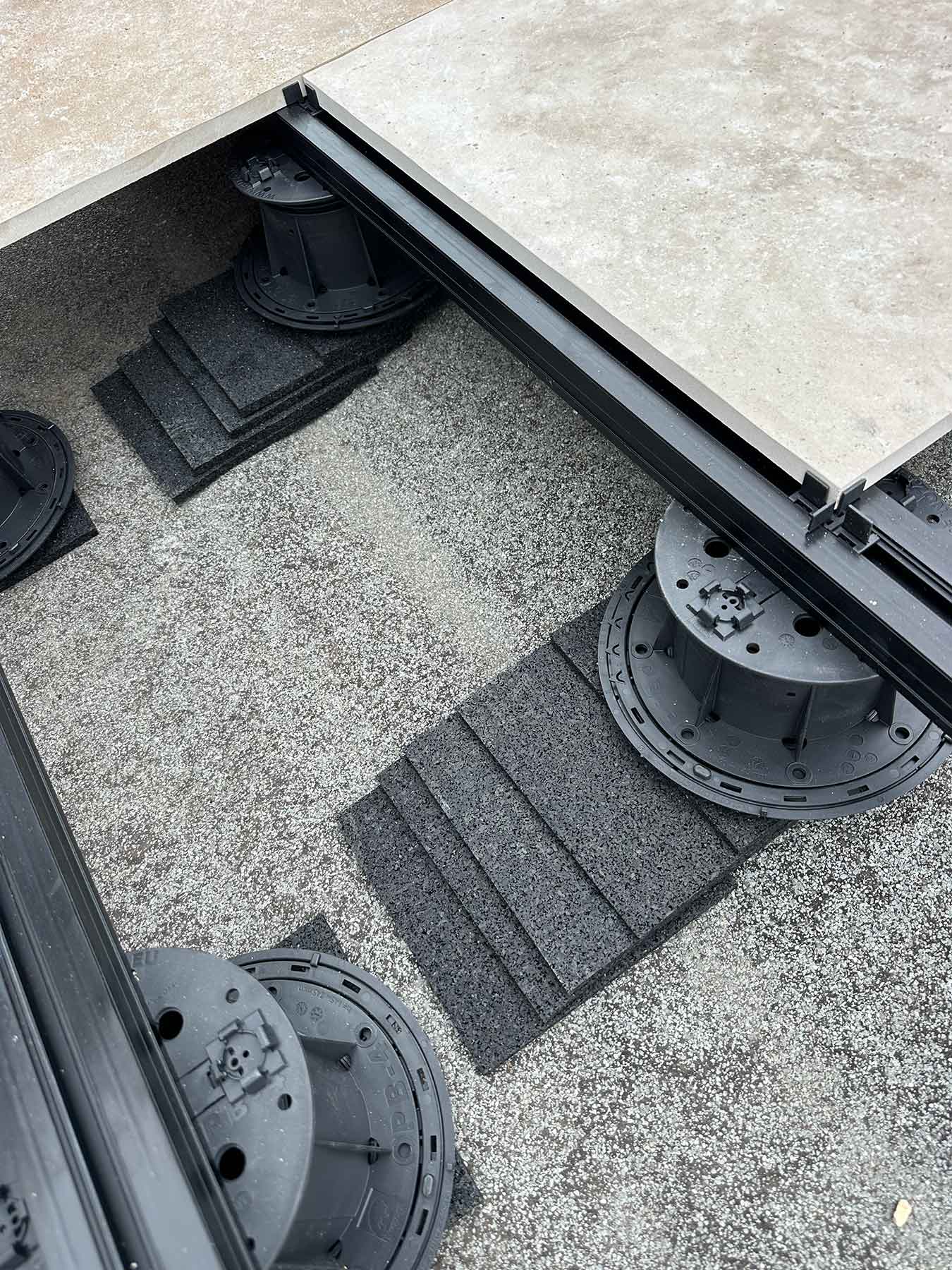
  • Ground preparation: check the stability and load-bearing capacity of the substrate, as well as the planned slopes and drainage outlets. Pedestals compensate for level differences but do not replace a suitable base.
  • Pedestal installation: determine their positions according to the layout plan, the format of the surface finish and the expected loads. Adjust their heights to achieve the specified finished level.
  • Securing the joists: for a deck made of boards, choose a substructure compatible with the pedestal system and check joist spacing, alignment and fixings.
  • Installing boards or slabs: select a surface finish suited to water exposure and use around a pool, then follow the installation instructions and provide the necessary gaps.
  • Integrating the pool or hot tub: address junction details and preserve maintenance access. Check separately how the equipment loads are supported, particularly when the equipment is filled with water.


Buzon pedestals make it possible to design pool surrounds that combine quality finishes, water management and access to technical elements. Their full value becomes apparent when the details are considered from the design stage: a well-integrated terrace must remain stable, functional and easy to maintain throughout its service life.