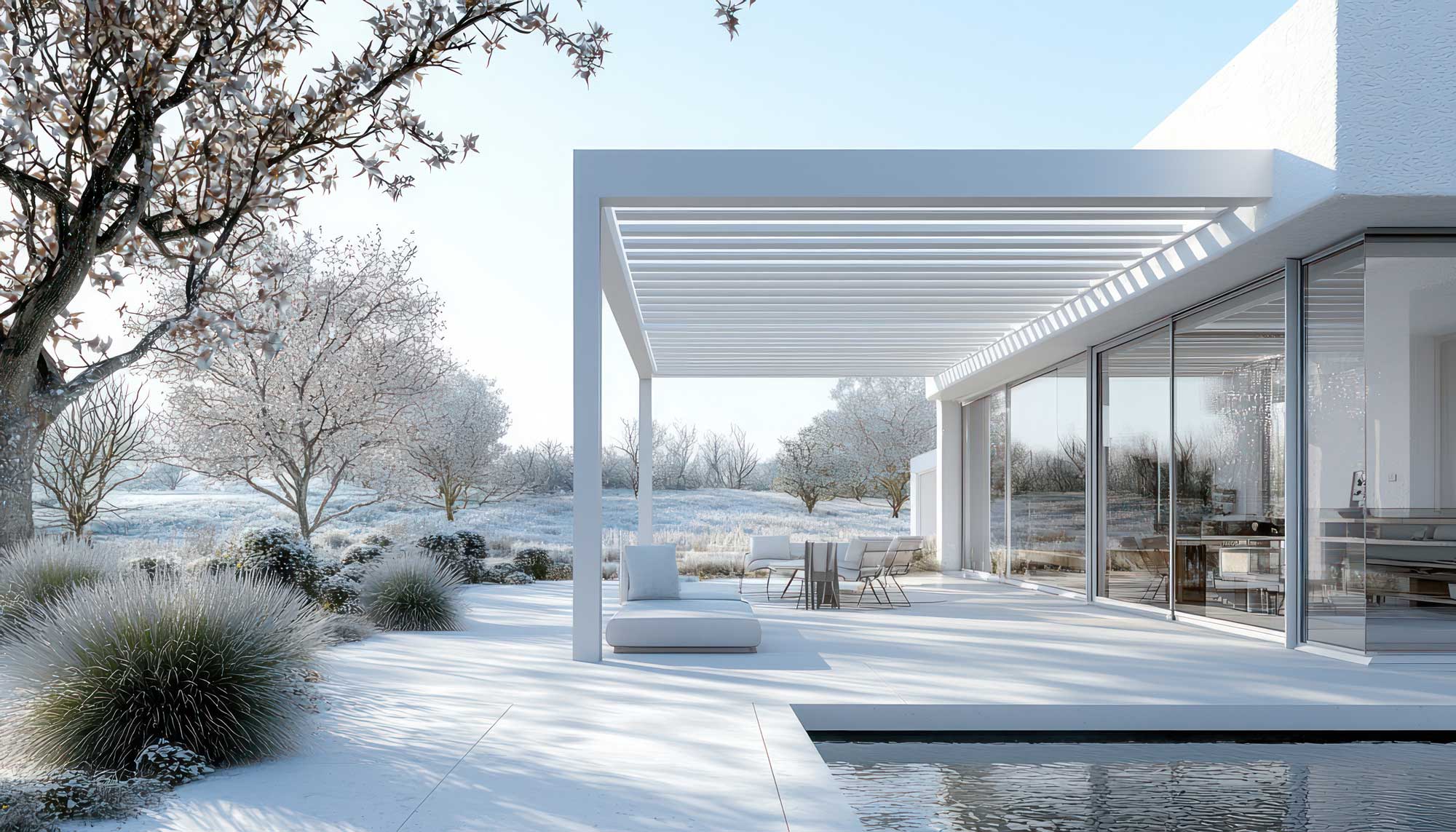
Buzon pedestal terraces in winter: maintenance and inspection points

Rainfall, frost, temperature variations and accumulated debris put outdoor installations to the test during winter. For building managers, maintenance companies, operators and outdoor construction professionals, preventive inspection helps preserve the safety, functionality and durability of terraces.

Designed to withstand a range of weather conditions, Buzon pedestals require little maintenance. However, the terrace as a whole should still be checked before and during winter. Water drainage, the cleanliness of the space beneath the surface, the stability of tiles or boards and the condition of the finishes are the main inspection points to include in a maintenance programme.

Pedestals designed to withstand winter conditions

Buzon terrace pedestals are manufactured from robust, durable materials suited to the demands placed on outdoor installations. They are designed to maintain their structural integrity when exposed to moisture, frost and temperature variations.

Unlike certain materials that may deform or deteriorate due to weather conditions, Buzon pedestals do not require specific winter protection. Their resistance limits the need for work on the supporting system and contributes to the long-term durability of the structure.

For professionals responsible for operation and maintenance, this low maintenance requirement is a practical advantage. Inspections can focus on the surface, drainage points, finishes and any specific details within the project.

Check rainwater drainage

One of the advantages of a pedestal terrace is that water can circulate beneath the surface. The space created between the substrate and the tiles or boards, combined with the open joints, helps rainwater drain away and limits surface water accumulation.

This configuration is particularly beneficial in winter, when accumulated water can lead to puddles or ice formation. However, it does not remove the need to check the drainage system regularly.

Particular attention should be paid to:

  • drains and water outlets;
  • joints between the surface elements;
  • perimeter areas;
  • low points on the terrace;
  • any slightly concave tiles.

Temporary water retention may occur on certain tiles or around the edges. Regular checks make it possible to identify these areas and ensure that they do not compromise user safety or the overall performance of the structure.

Remove accumulated leaves and debris

During autumn and winter, dead leaves, twigs and other debris can accumulate on the terrace or find their way beneath the surface. Over time, these materials may obstruct water circulation, block drainage outlets or create a damp environment that encourages dirt and mould to develop.

The removable design of a pedestal terrace makes these maintenance operations easier. Where the surface configuration permits, a few tiles can be lifted to provide access to the technical void, allowing debris to be removed manually or with a non-abrasive tool.

The operation must be performed carefully to avoid damaging:

  • the waterproofing membrane;
  • the pedestals and their accessories;
  • technical services;
  • the tiles or finishing components.

The use of high-pressure water jets beneath the surface is not recommended, as they could displace certain components, push debris towards the drains or interfere with the adjustment of the installation. A controlled cleaning method suited to the materials should be used instead.

Inspect the surface and the stability of the terrace

Although Buzon pedestals are designed for long-term performance, a general inspection of the terrace is still recommended before winter. This visual check helps identify any issue quickly and allows remedial work to be scheduled before weather conditions make it worse.

For a tiled terrace, the following should be checked in particular:

  • the alignment and flatness of the surface;
  • the stability of each tile;
  • the consistency of the joints;
  • the condition of the tiles and perimeter finishes;
  • the absence of cracks, breakages or movement.

For a timber or composite terrace, the inspection should also cover:

  • the fastening of the boards;
  • the visible condition of accessible joists;
  • the consistency of the expansion gaps;
  • any signs of deformation;
  • the condition of screws, clips and other fasteners.

Any unstable, damaged or misaligned component should be assessed to identify the cause before it is replaced or readjusted.

Check specific details and technical equipment

Areas around access hatches, drains, waterproofing upstands, façades, thresholds and technical equipment require particular attention. These specific points often concentrate operational, drainage and maintenance constraints.

The winter inspection provides an opportunity to check:

  • that access hatches remain accessible;
  • that technical services are not blocked or damaged;
  • that the drainage outlets are working correctly;
  • that perimeter connections remain clean and stable;
  • that equipment installed on the terrace is properly secured.

Furniture, planters and other loads positioned on the terrace should also be checked. Their location must not interfere with water drainage, block maintenance access or create a localised load that was not allowed for during the design stage.

Plan spring maintenance in advance

A winter inspection is not only intended to prepare the terrace for low temperatures. It also helps identify work that should be scheduled for spring, such as thorough cleaning, replacement of an accessory, localised readjustment, repair of a finish or modification of equipment.

The modularity of Buzon systems facilitates this type of work. The surface can be removed locally to provide access to the pedestals, waterproofing or technical services without dismantling the entire terrace.

This accessibility enables professionals to:

  • target the work more precisely;
  • reduce the scale of maintenance operations;
  • minimise periods when the terrace is unavailable;
  • retain components that are still in good condition;
  • control long-term maintenance costs.

Include winter care in the structure’s maintenance programme

Preparing a pedestal terrace for winter is primarily based on simple, regular inspections. Thanks to their robustness and design for outdoor conditions, Buzon pedestals require little specific maintenance. Monitoring should focus mainly on the cleanliness of the technical void, water drainage, surface stability and the condition of specific details.

By including these inspections in the building’s maintenance programme, professionals help preserve user safety, terrace functionality and the long-term durability of the entire structure.